Benoit Challand
Scroll
Benoit Challand
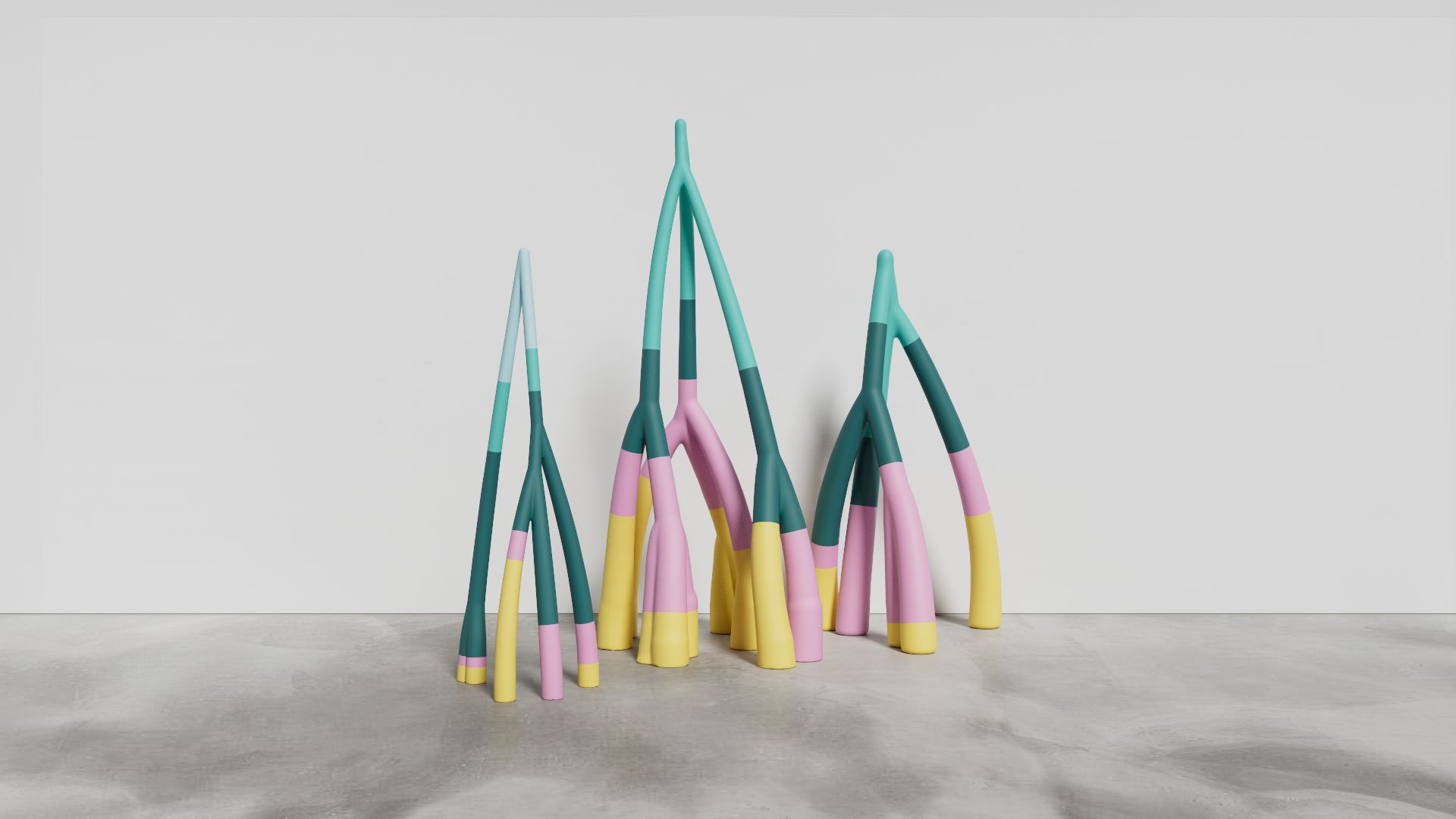
Our emotions are the quiet thread that connects all human beings. They make us deeply human, and yet they remain invisible. In a fast-moving society, where technology often draws us away from ourselves and from others, we pass through them without taking the time to recognise them. Crystallize starts from the opposite wager: using those same technologies to make our emotions visible and to reconnect us with them.
Crystallize
01
Capture
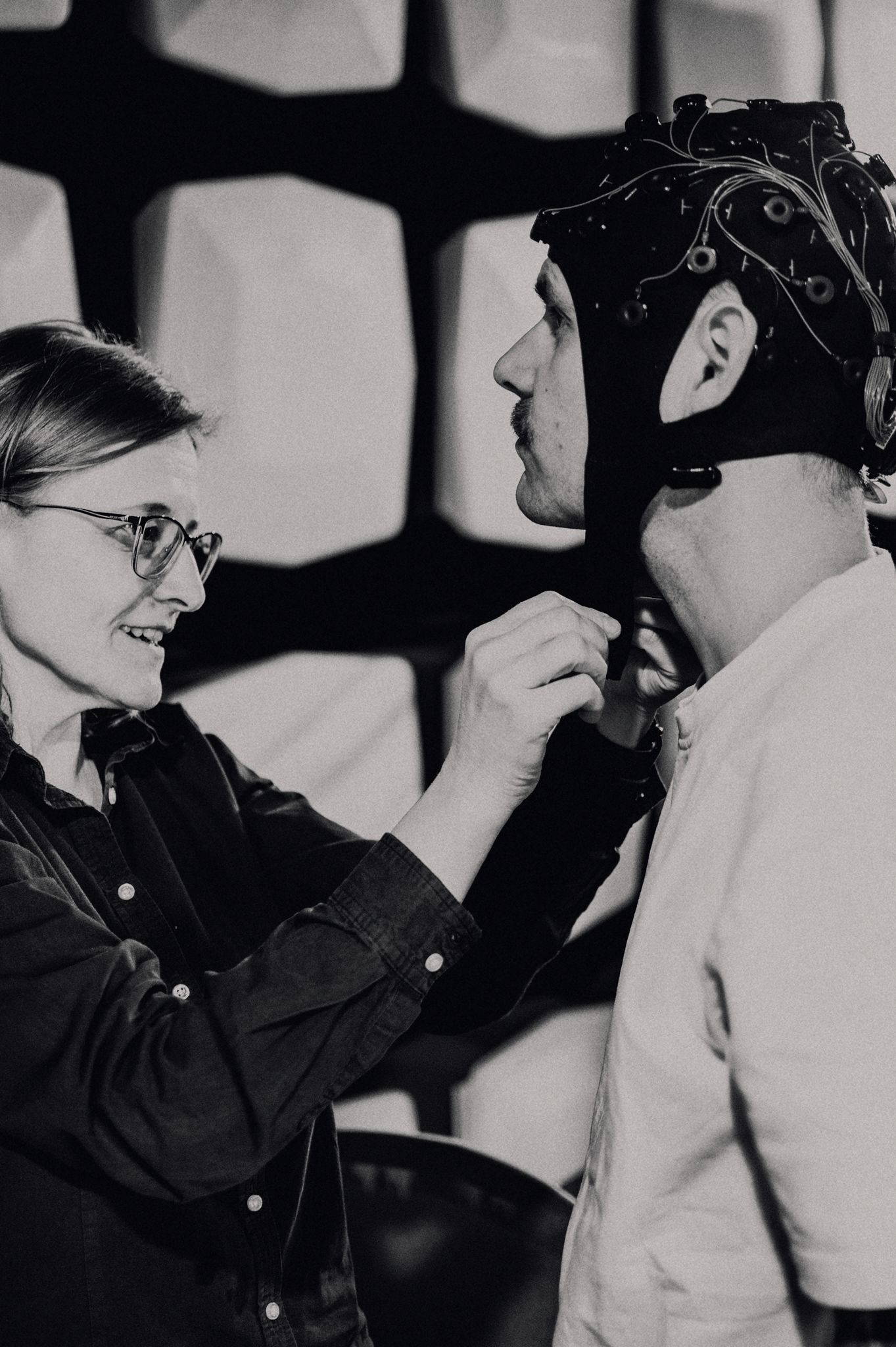
A 30-electrode EEG headset. The stimuli are my own works, sounds and videos. More than a thousand trials during the first campaign.
02
Reduce
Five frequency bands per electrode, reduced to five emotion probabilities and five continuous coordinates.
03
Generate
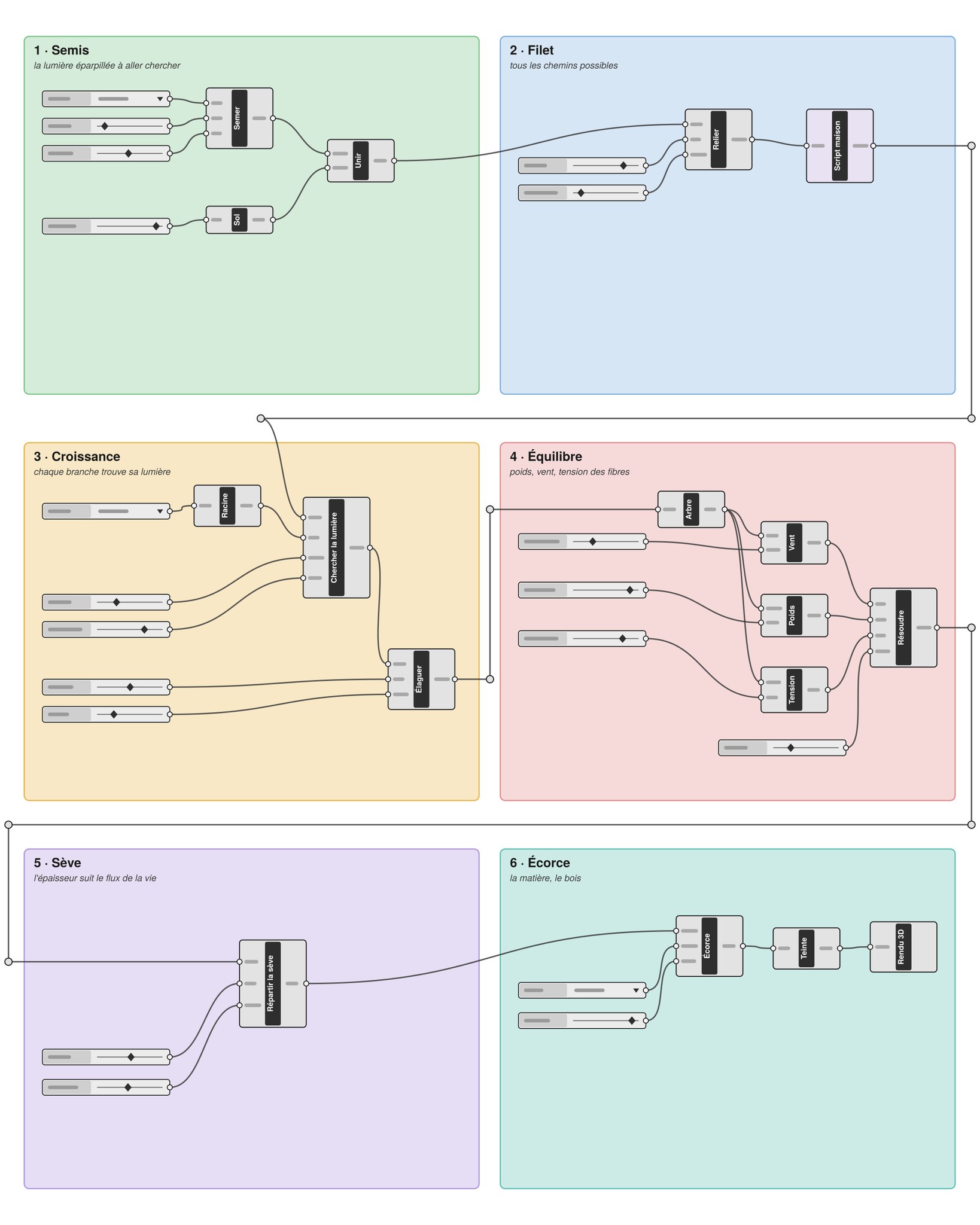
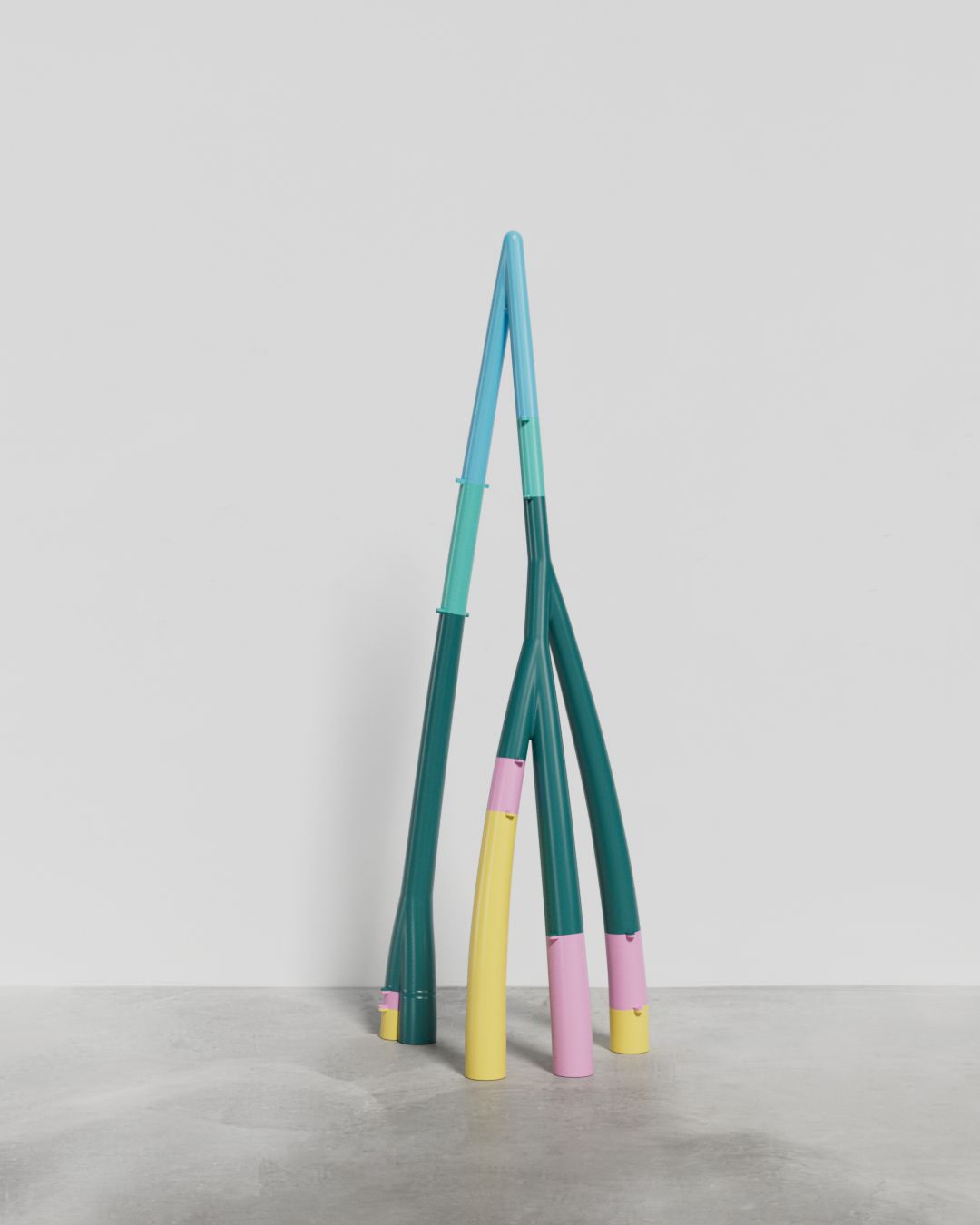
A generator I wrote grows the form in real time. The coordinates drive the geometry, the emotions the colour and texture.
04
Materialise
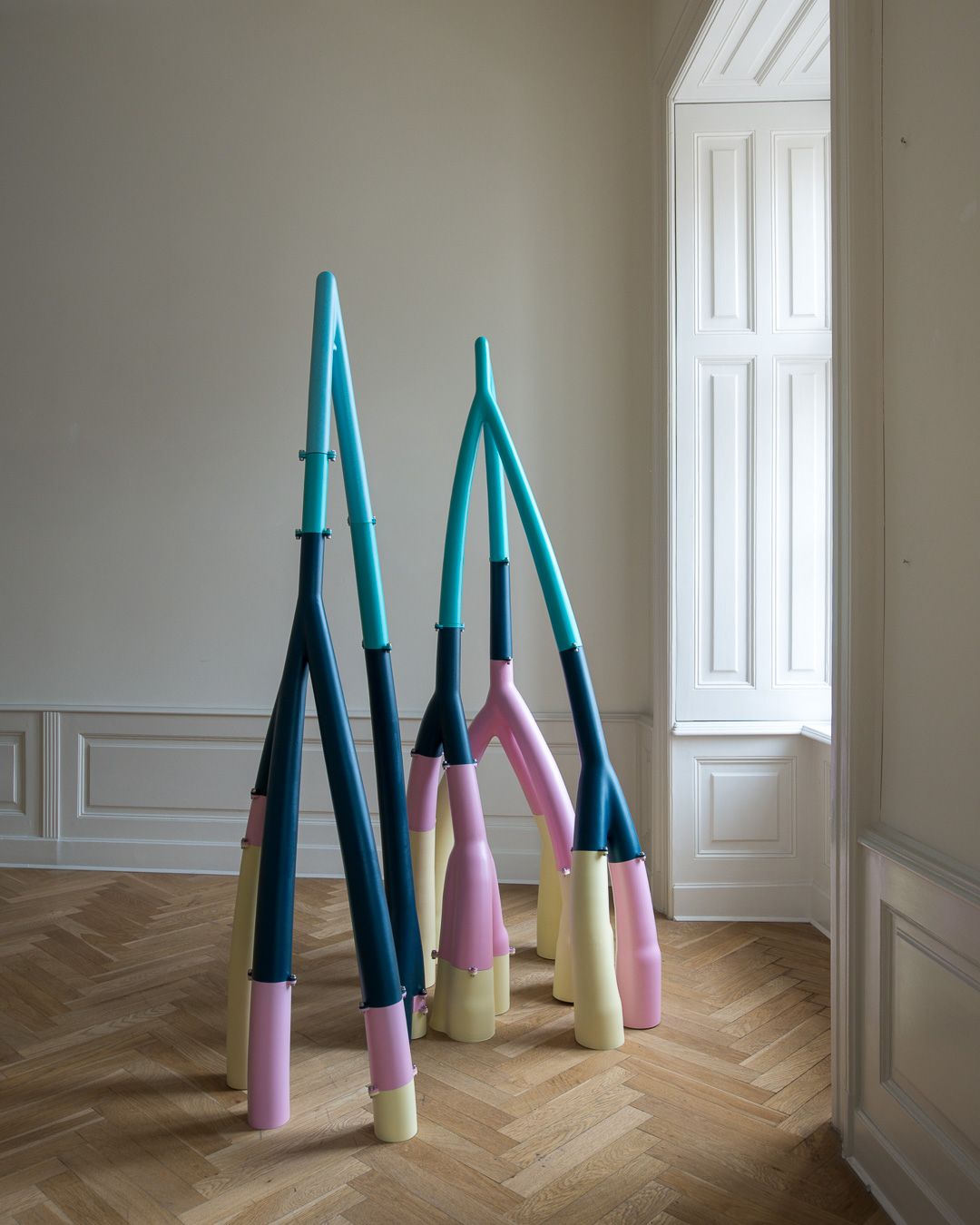
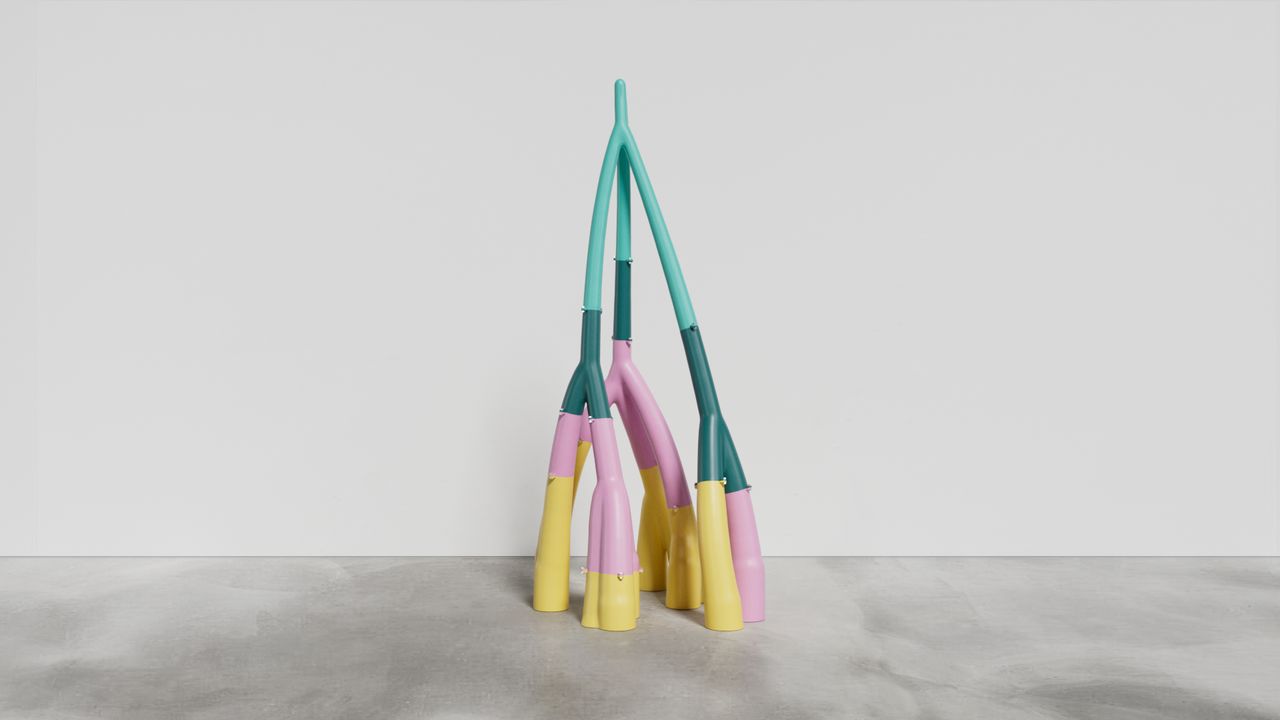
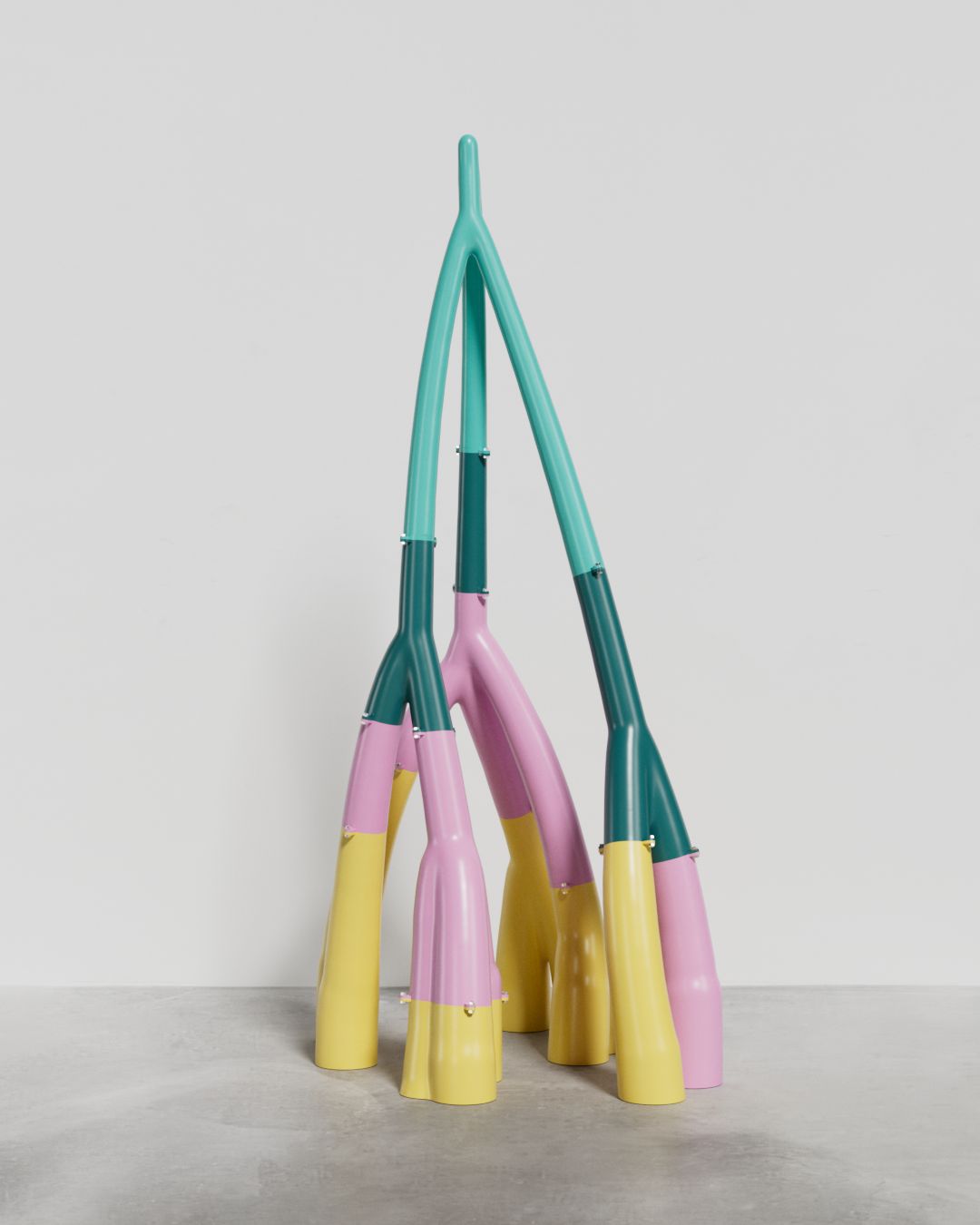
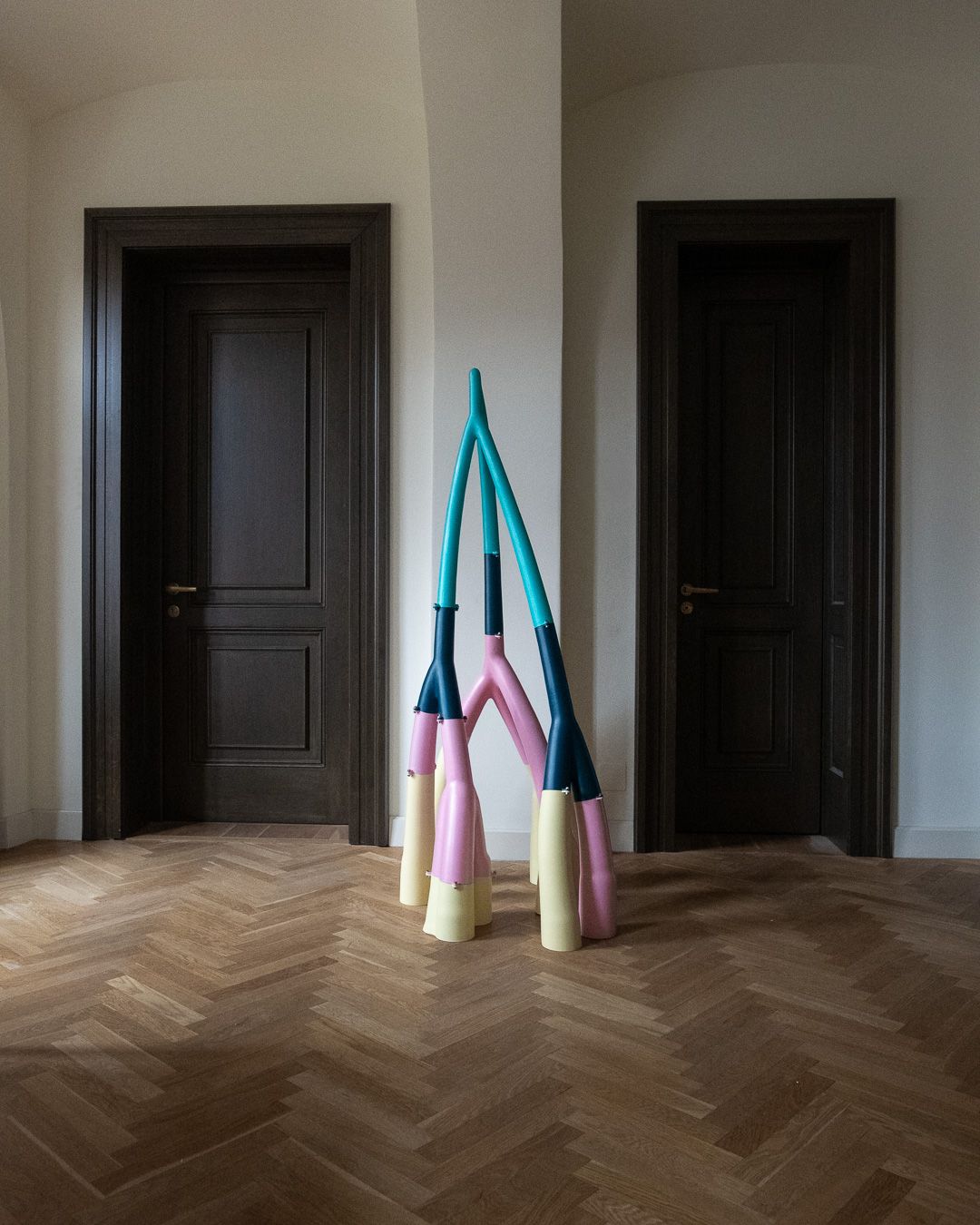
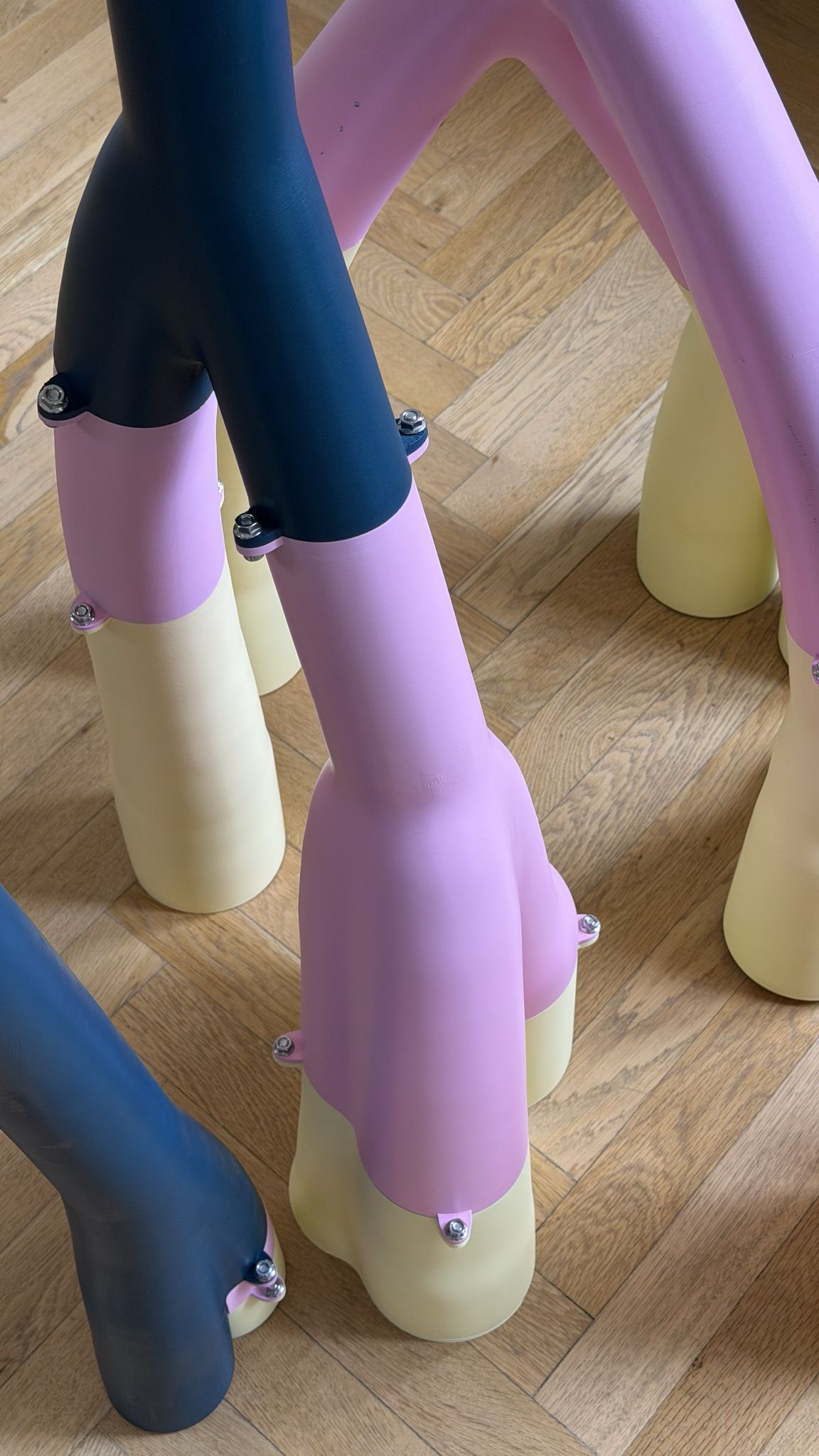
3D export, printing, moulding, casting in jesmonite. A return to weight and gravity.
01 / 04
Capture
The principle is simple: replace the artist’s drawing with the activity of the brain. I wear a headset fitted with thirty electrodes and deliberately immerse myself in an emotion: joy, tenderness, nostalgia, serenity or melancholy. Meanwhile, an application presents me with a sequence of images, videos, sounds and instructions, including my own works. The headset records the electrical signals produced by my brain, down to the millisecond.

03 / 04
Generate
These values drive a form generator I designed. It grows a sculpture the way a tree grows: points are scattered in space, linked to one another by the shortest paths, then thickened where the “sap” flows most. The height, density, branching, colour and texture of the form all depend on what the brain has produced.
04 / 04
Materialise
The selected forms are then 3D printed, moulded and cast in cement and resin. Emotion becomes an object with weight, texture and presence.
Outdoor visualisation
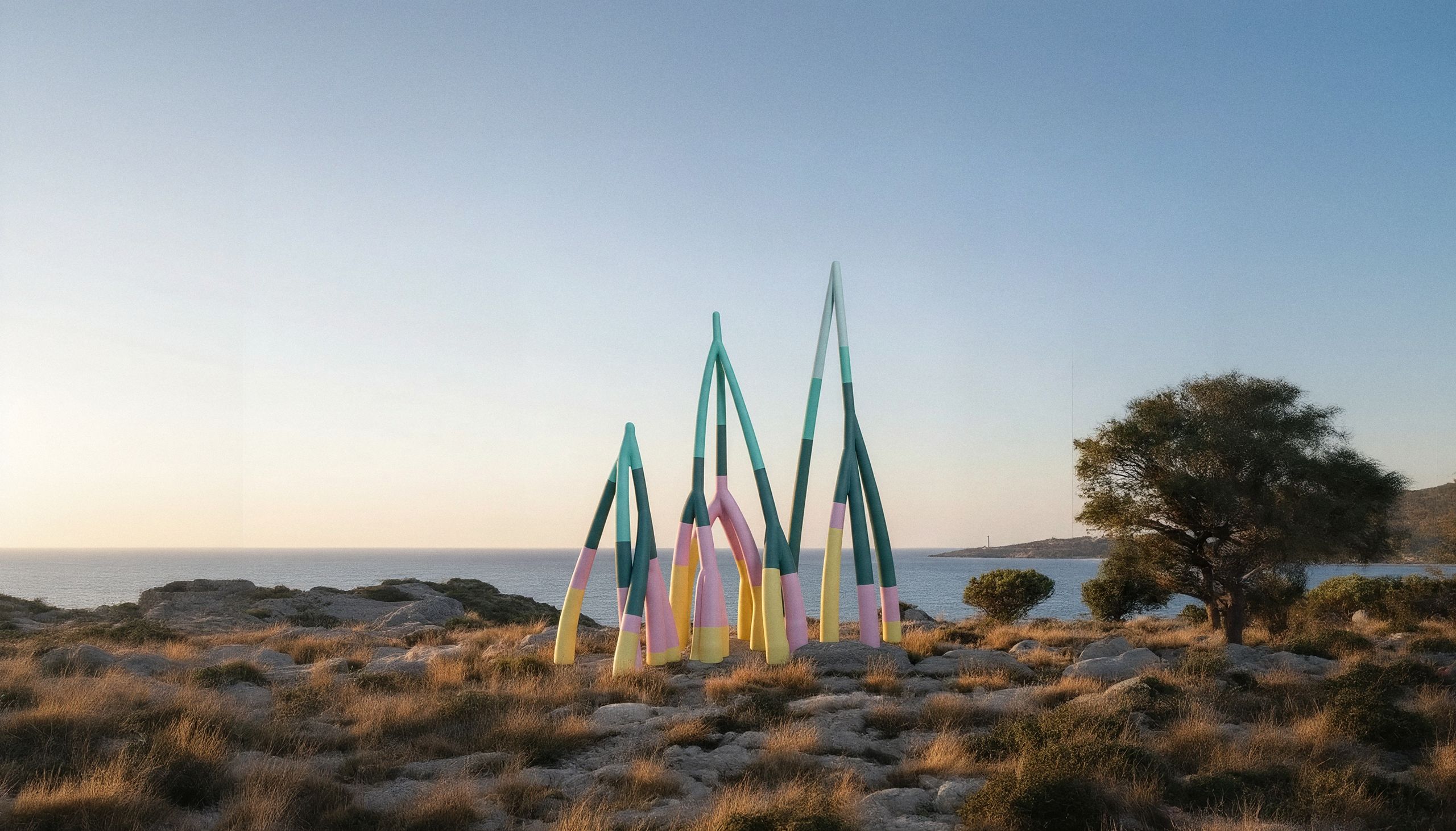
This is not about reading minds. The machine can only distinguish a few broad tendencies of an inner state. It is the artist who decides how the signal is translated into form, and who chooses what becomes a work. What the brain brings is a real variation, measured, not invented.
Collaboration
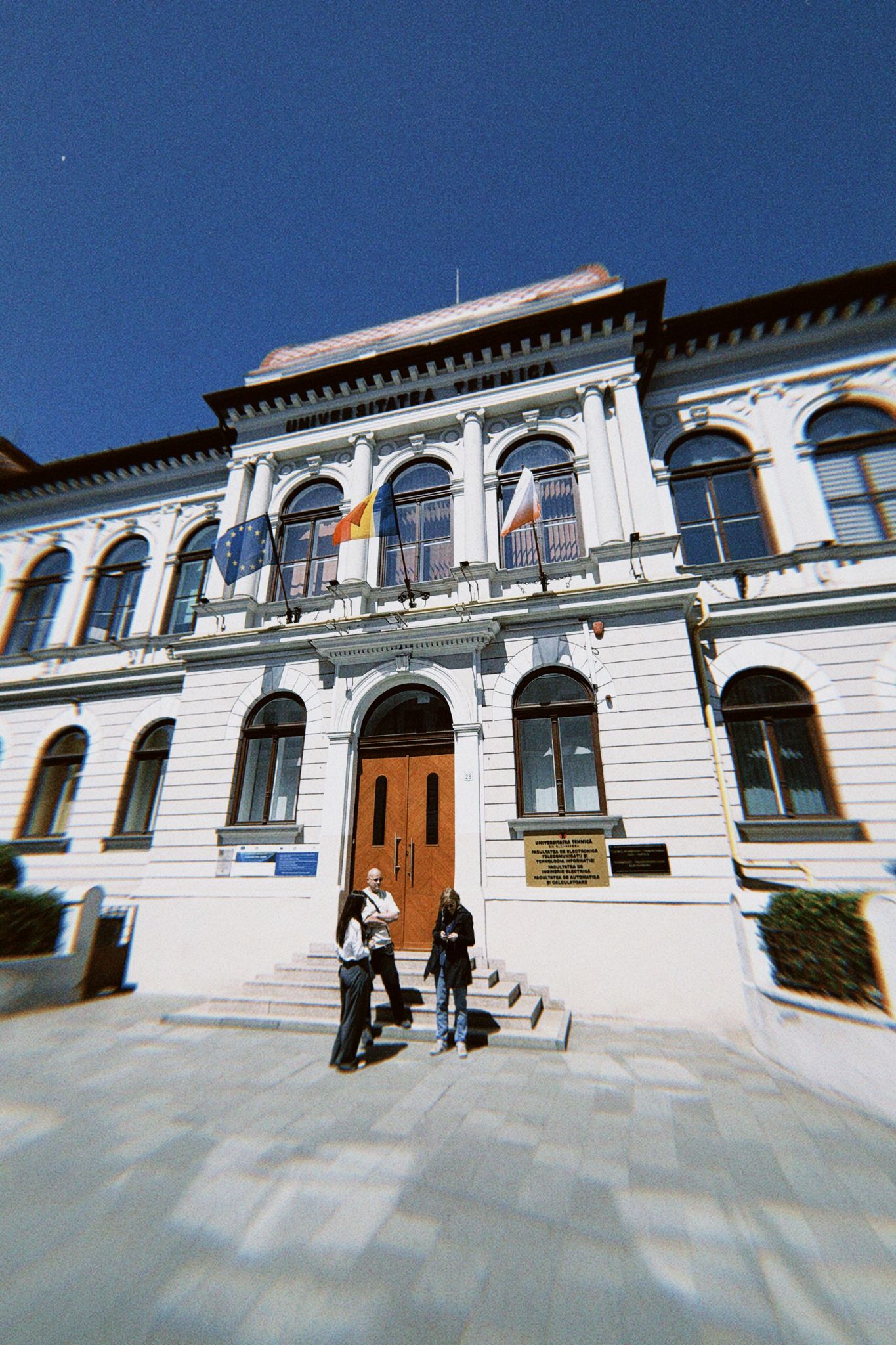
Crystallize grew out of eight months of collaboration with the Artificial Intelligence Research Institute at the Technical University of Cluj-Napoca, with the support of the Institut français de Roumanie.
First phase
This first phase was presented in three exhibitions, in Cluj-Napoca, Bucharest and Iaşi.
It was also presented at several conferences, accompanied by a live performance in which the audience watches the sculpture come into being in real time.
Second phase · 2027
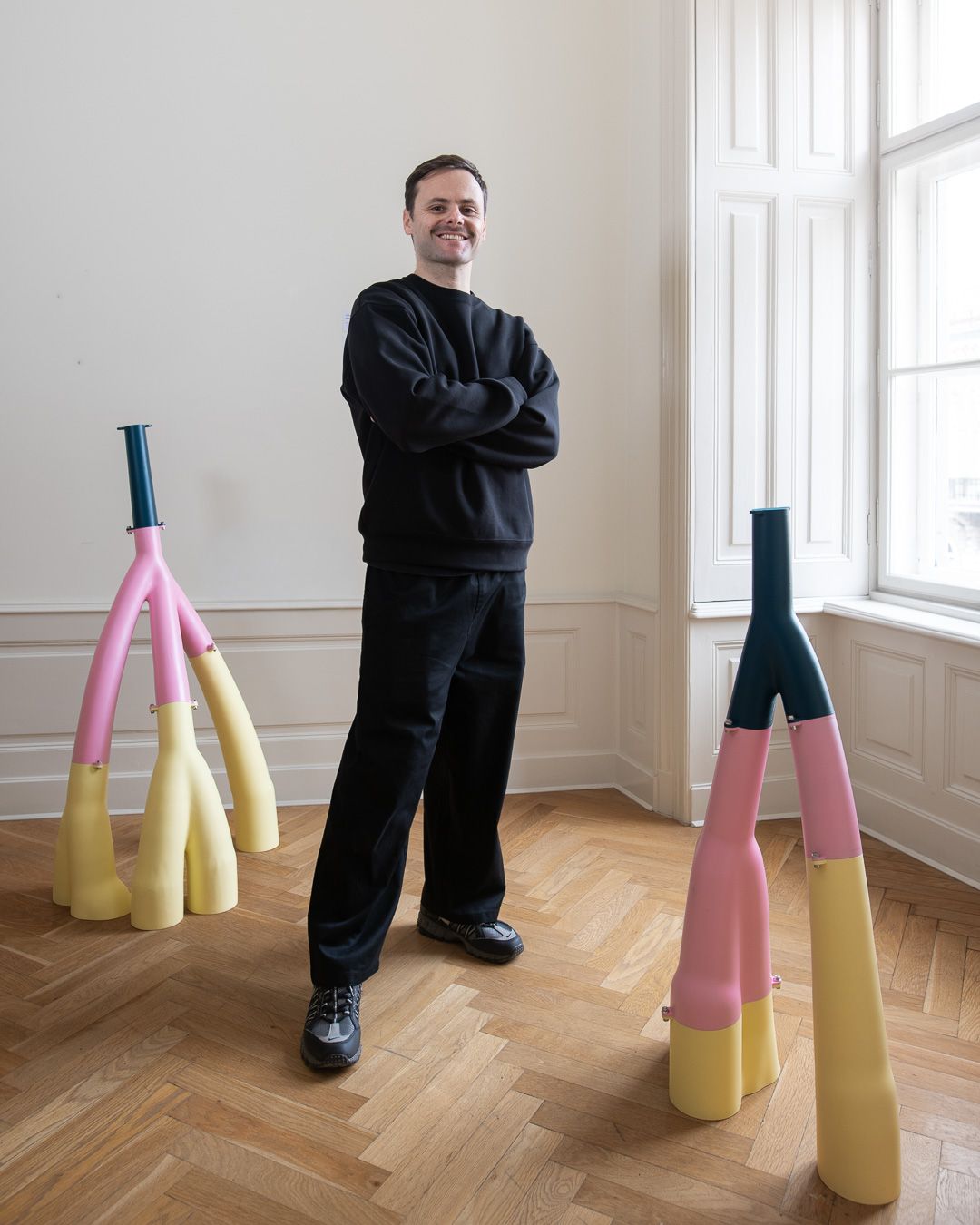
A second phase opens in 2027. It will carry new ambitions for scientific, institutional and artistic collaboration, and will integrate new technologies.
Contact